
July 5, 2026
by Elwira
Acne is one of the most common skin conditions worldwide, affecting people of all ages—not just teenagers. While hormonal changes during adolescence are a well-known trigger, many adults continue to experience persistent breakouts well into their 20s, 30s and even later in life.
For some, acne appears as the occasional blemish before an important event. For others, it becomes a chronic inflammatory condition that affects not only the appearance of the skin but also self-confidence and emotional wellbeing. Persistent breakouts can leave behind pigmentation, uneven skin texture and, in some cases, permanent scarring if left untreated.
The encouraging news is that acne can usually be managed successfully. Modern aesthetic treatments, together with appropriate skincare and lifestyle advice, can significantly reduce active breakouts, calm inflammation and help restore healthier, clearer skin.
At Levelux The Face & Body Clinic, every treatment begins with understanding why acne has developed. By identifying the underlying causes rather than simply treating individual spots, we create personalised treatment plans designed to improve both your skin’s appearance and its long-term health.
Acne develops when several factors occur simultaneously. Excess sebum (oil) production combines with dead skin cells, blocking the hair follicles. This creates an ideal environment for naturally occurring skin bacteria to multiply, triggering inflammation within the pore.
The severity of acne varies from person to person and is influenced by a combination of internal and external factors.
Common causes include:
Contrary to popular belief, acne is not caused by poor hygiene. In fact, excessive cleansing or using harsh exfoliants can damage the skin barrier, increasing irritation and making breakouts more difficult to control.
Not all acne looks the same, which is why treatment should always be tailored to the individual.
Comedonal Acne
This is the mildest form of acne and consists mainly of blackheads and whiteheads. Pores become blocked with excess oil and dead skin cells but show little or no inflammation.
Inflammatory Acne
Inflamed papules and pustules develop when blocked follicles become irritated by bacteria and the body’s immune response. The skin often appears red, swollen and tender.
Nodular and Cystic Acne
These are the most severe forms of acne, producing deep, painful lumps beneath the skin. Because inflammation extends into the deeper layers of the skin, there is a significantly greater risk of permanent scarring.
Adult Acne
Adult acne most commonly affects the jawline, chin and lower face. Hormonal changes, chronic stress and lifestyle factors frequently contribute to persistent breakouts, particularly in women.
Many people assume acne will eventually disappear without treatment. Unfortunately, ongoing inflammation can continue damaging collagen within the skin long before visible scars appear.
Every inflamed spot has the potential to leave behind post-inflammatory pigmentation or permanent textural changes. Early intervention not only helps reduce active breakouts but also lowers the likelihood of future acne scars.
Professional treatment can help:
The sooner acne is managed, the greater the chance of maintaining smoother, healthier skin.
There is no universal treatment for acne because every patient’s skin behaves differently. Some people experience excessive oil production, while others struggle with inflammation, hormonal changes or congestion.
Following a detailed consultation, we develop a personalised treatment plan based on the severity of your acne, your skin type and your long-term skincare goals. In many cases, combining treatments delivers better and longer-lasting results than relying on a single procedure alone.
HydraFacial® provides a deep yet gentle cleanse without disrupting the skin barrier. Using advanced vortex technology, the treatment removes excess oil, dead skin cells and impurities while simultaneously infusing the skin with hydrating antioxidants and calming ingredients.
It is particularly beneficial for patients experiencing:
Regular HydraFacial® treatments can help maintain clearer pores and healthier skin while complementing other acne therapies.
Carefully selected chemical peels help regulate skin cell turnover and reduce the build-up of dead skin cells that contribute to blocked pores.
Depending on your skin’s needs, peels may help improve active acne, reduce oil production, brighten post-inflammatory pigmentation and create a smoother skin surface.
A course of treatments often produces the most noticeable improvements while allowing the skin to recover gradually between sessions.
Although IPL (Intense Pulsed Light) is commonly associated with pigmentation and facial redness, it can also play an important role in managing certain types of acne.
Specific wavelengths of light help reduce inflammation, target acne-causing bacteria and calm redness associated with active breakouts. IPL may also help minimise the appearance of post-inflammatory marks once the acne begins to settle.
It is particularly suitable for patients with mild to moderate inflammatory acne and can be incorporated into a personalised treatment programme alongside other professional therapy.
LED Light Therapy offers a gentle, non-invasive way to support acne treatment with no downtime.
Blue light helps reduce the bacteria associated with acne, while red light calms inflammation and supports the skin’s natural healing processes. Together, these wavelengths can help reduce active breakouts while promoting healthier skin recovery.
LED Light Therapy is frequently recommended following other treatments, as it helps soothe the skin and optimise results.
Once active acne has been brought under control, Dr Pen Microneedling can help improve skin quality and support the skin’s natural repair processes.
Using thousands of controlled micro-channels, the treatment stimulates collagen production while enhancing the absorption of professional serums applied during the procedure. Microneedling can improve skin texture, refine enlarged pores and help minimise post-acne marks, making it an excellent maintenance treatment for acne-prone skin.
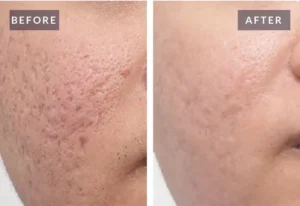
Excess sebum production is one of the main factors contributing to acne. MesoBotox is an innovative treatment that uses highly diluted botulinum toxin, delivered through multiple superficial micro-injections, to help regulate overactive sebaceous glands.
By reducing oil production, MesoBotox can help minimise shine, reduce pore congestion and create a less favourable environment for acne-causing bacteria. Many patients also notice that their pores appear less visible and their skin feels smoother and more balanced.
MesoBotox is particularly suitable for patients with oily skin, persistent congestion and recurrent breakouts, and can be combined with treatments such as HydraFacial®, chemical peels or LED Light Therapy for enhanced results.
Platelet-Rich Plasma (PRP) uses your body’s own growth factors to stimulate tissue repair and encourage healthier skin regeneration.
PRP can help improve overall skin quality, support the healing process and reduce post-inflammatory redness following acne. It is frequently combined with microneedling to enhance collagen production and promote smoother, healthier skin.
Because it uses your own plasma, PRP is a popular option for patients seeking a natural regenerative treatment.
Exosome Therapy is one of the latest advances in regenerative aesthetics and is increasingly used to enhance skin recovery following acne treatments.
Rich in growth factors and signalling molecules, exosomes support tissue repair, improve skin quality and encourage healthier cellular communication. They are commonly combined with microneedling to accelerate recovery, reduce downtime and optimise treatment outcomes.
Acne is a multifactorial condition, meaning that no single treatment is likely to address every contributing factor. For this reason, combination treatments often provide the most successful and long-lasting results.
Your personalised treatment plan may include:
By combining complementary treatments, we can address excess oil production, inflammation, bacterial activity and overall skin health simultaneously, helping to achieve clearer skin while reducing the likelihood of future breakouts.
Professional treatments are only one part of successful acne management. A consistent home skincare routine plays an equally important role in maintaining clear, healthy skin and helping to prevent future breakouts.
Choose gentle, non-comedogenic skincare products that cleanse the skin without disrupting its natural barrier. Cleansing twice daily, using a lightweight moisturiser and applying a broad-spectrum SPF every morning can help protect the skin and support its recovery. While active ingredients such as salicylic acid, niacinamide or retinoids can be highly effective, they should be introduced gradually and used according to professional advice to avoid irritation.
It is also important to resist the temptation to pick or squeeze spots. Although it may seem harmless, doing so can spread bacteria, prolong inflammation and significantly increase the risk of pigmentation and acne scarring.
Diet alone does not cause acne, but growing evidence suggests that certain foods may influence breakouts in some individuals.
A balanced diet rich in vegetables, fruit, whole grains, lean protein and healthy fats provides the nutrients needed to support healthy skin and reduce inflammation. Foods containing omega-3 fatty acids, zinc and antioxidants may also contribute to overall skin health.
Some people find that limiting high-glycaemic foods, such as sugary snacks, white bread and sugary drinks, as well as reducing excessive dairy intake, particularly skimmed milk, may help improve their skin. However, dietary triggers vary from person to person, so it is important to identify patterns rather than eliminate foods unnecessarily.
Staying well hydrated, managing stress, exercising regularly and getting sufficient sleep are equally important lifestyle factors that support healthier skin and complement professional acne treatments.
By combining expert clinical care with an appropriate skincare routine and healthy lifestyle habits, you can achieve clearer skin and maintain your results for the long term.